The Young Researchers'
Symposium on Plant Photobiology

Wednesday 15th to Saturday 18th September 2027

Registration info for YRSPP 2027 coming soon.

For info about YRSPP 2027:

Welcome to YRSPP 2027!

We are excited to invite you to Wageningen, the heart of the Netherlands' renowned food valley from 15-18 September 2027 for the fifth edition of YRSPP.

The Young Researchers' Symposium on Plant Photobiology is designed to showcase the work of early-career researchers (ECRs) studying plant photobiology. If this sounds like you, we'd love to see you there!

YRSPP comes at a crucial juncture in the advancement of plant science research, as numerous global challenges highlight the need to harness the potential of plants. There will be six great keynote speakers in attendance, prizes to celebrate the best ECR presentations/posters, and organised social activities to promote networking and knowledge exchange leading to international cross-disciplinary collaboration and innovation. Learn more

Previously we've featured talks on the perception and transduction of light and circadian signals; their integration with other signalling pathways like stress, nutrient signals and temperature to modulate growth; engineering synthetic phototransduction pathways; agricultural applications, and more. Scroll down to see our keynote speakers for 2026!

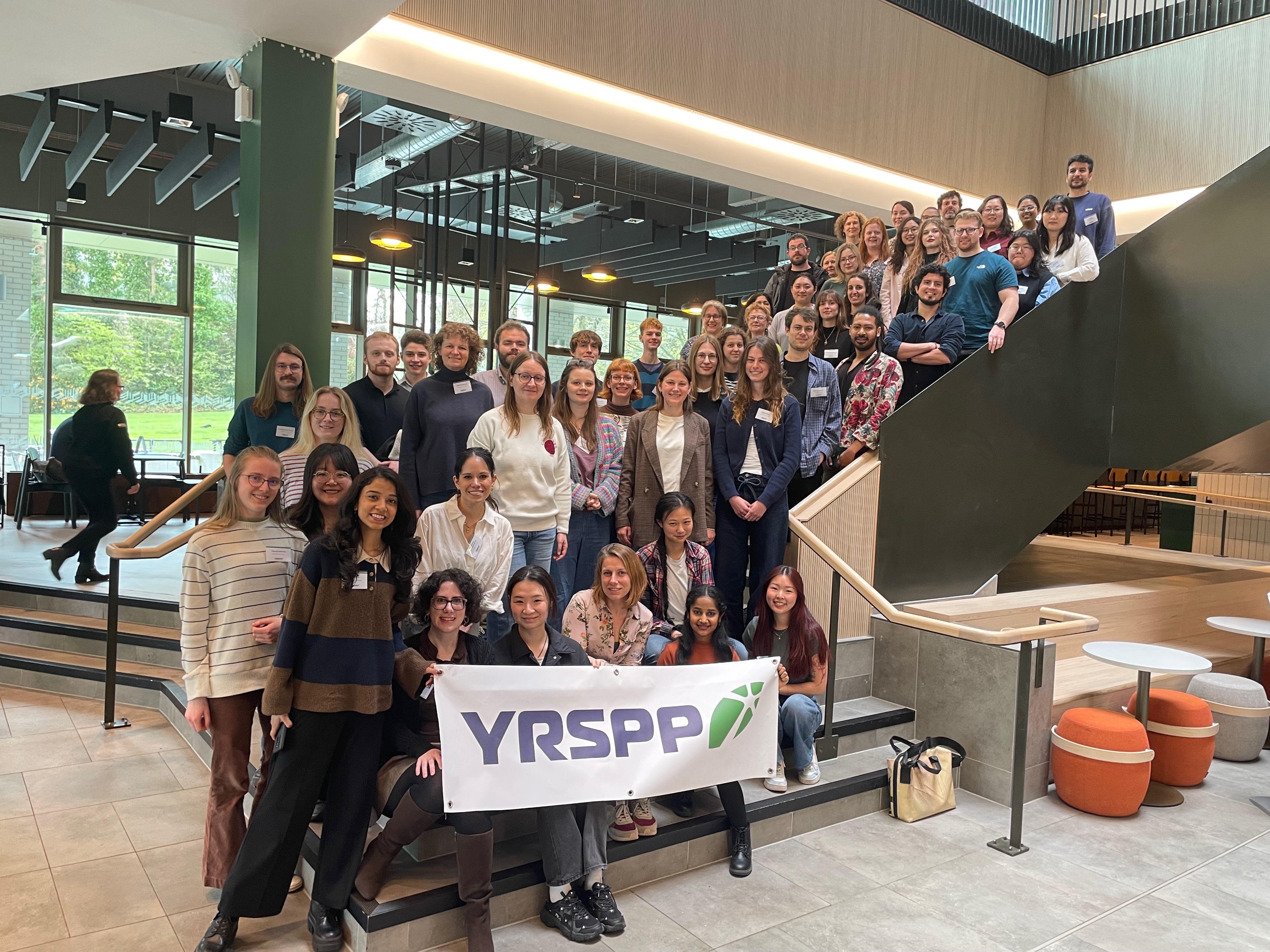
YRSPP 2024 image
Participants at YRSPP 2026 in Edinburgh, UK

To stay updated, sign up to our mailing list below and follow us on LinkedIn, BlueSky, X and/or Instagram.

Join the YRSPP 2027 mailing list

2027 Keynote speakers

We have an exciting lineup of early-career and established keynote speakers this year - read on to learn more!
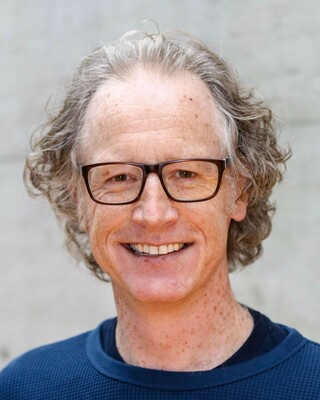

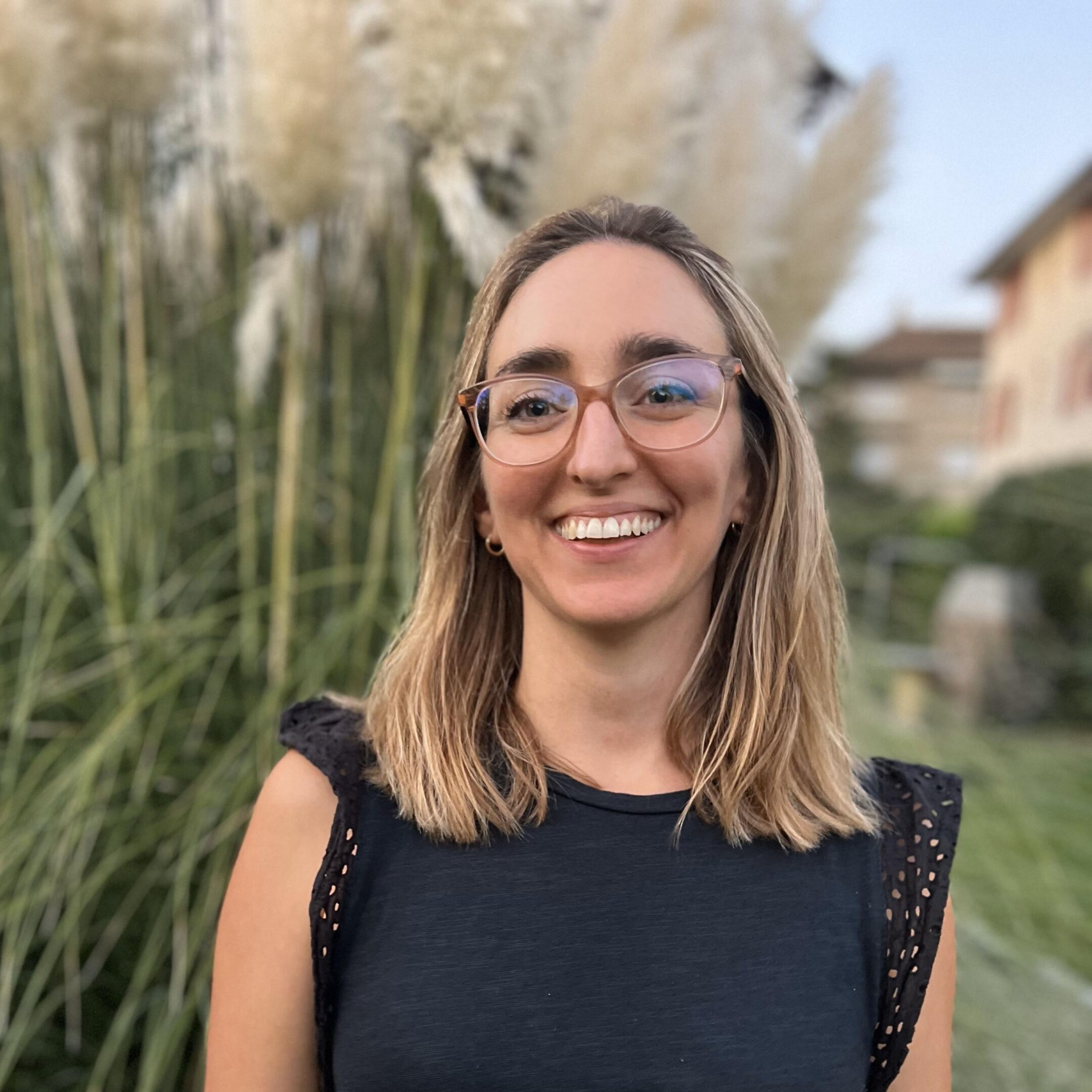
Photo of Professor Liam Dolan
Senior Group Leader, Gregor Mendel Institute of Molecular Plant Biology, Vienna, Austria
Liam's laboratory uses genetics to discover how plants and their cells develop and evolve. The main focus has been the identification of mechanisms that control the development and differentiation of specialised plant cell types. Using this information, they formulate testable hypotheses for how these mechanisms evolved during Earth history.
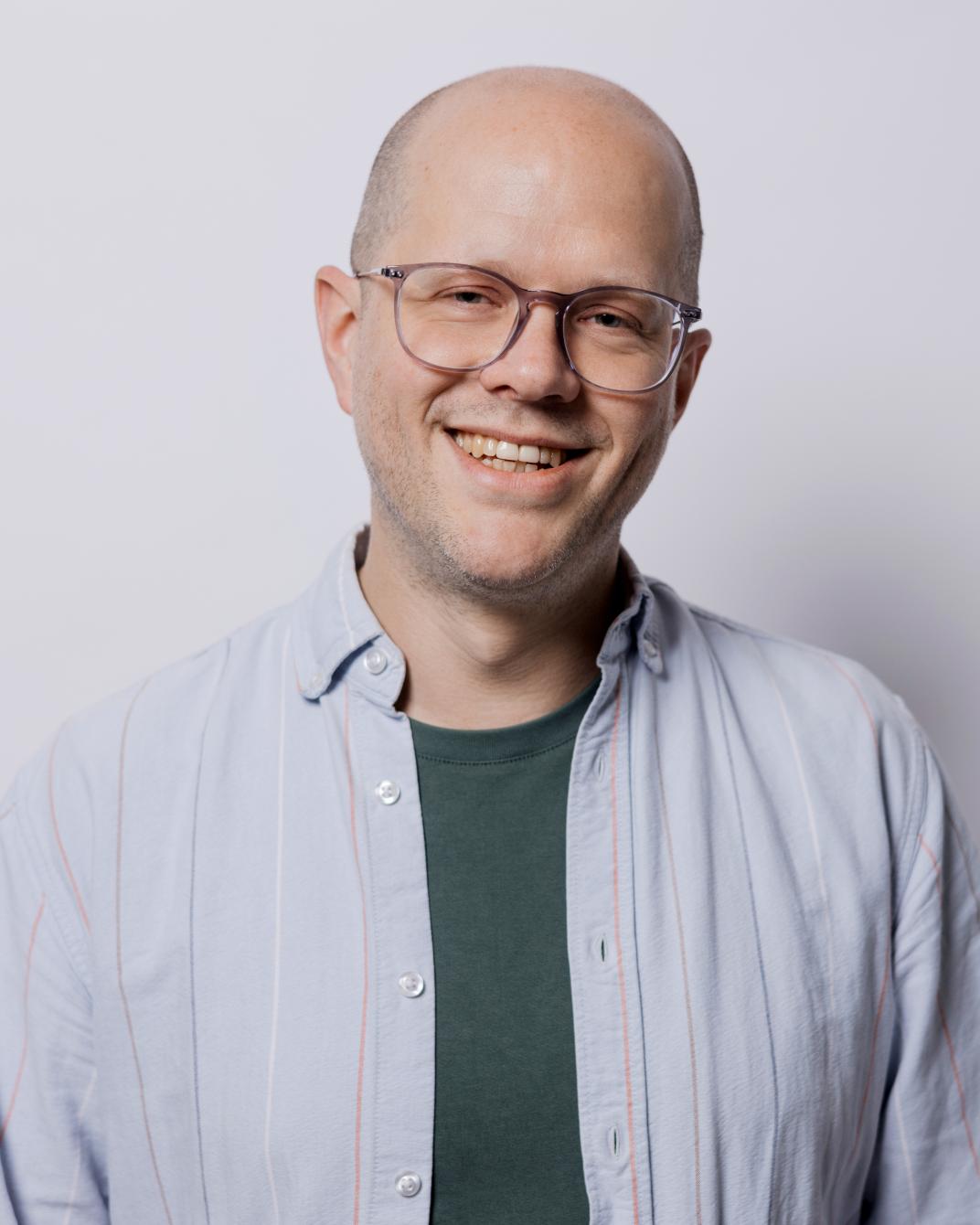
Photo of Dr. Eirini Kaiserli
Senior Lecturer, University of Glasgow, UK
Eirini's group study how plants respond to environmental signals such as light and temperature at the molecular and cellular level. Their aim is to uncover mechanisms of plant resilience to advance both basic and applied science. Their pet protein is TANDEM ZINC-FINGER/PLUS3 (TZP) is a transcriptional regulator that integrates light and photoperiodic signals to control Arabidopsis development, modulating hypocotyl elongation and flowering by interacting with photoreceptors and transcription factors ithin nuclear photobodies.
Photo of Dr. Kasper Van Gelderen
Group leader, Centre for Organismal Studies, Heidelberg University, Germany
Kasper's group investigate cell-biological aspects of plant light signaling; How photoreceptor complexes are organized in the nucleus and how the plant shoot can send signals to the root via mobile transcription factors. His group is researching the basis of light perception by looking at the phenomenon of the phyB photobody. In particular, they are trying to understand exactly how it forms and how it benefits phyB signalling.
Photo of Dr. Gabriela Toledo-Ortiz
Associate Professor, Laboratory of Molecular Biology, Wageningen University, Netherlands
Gabriela's group is focused on the dissection of novel mechanisms by which environmental cues and photoreceptors induce changes in chloroplastic metabolism. In addition to molecular genetics, biochemistry, cell biology and computational approaches, she has also incorporated natural-social sciences collaborations to tackle climate change challenges in agriculture, in particular for tomato.
Photo of Dr. James Ronald
BBSRC discovery fellow, Department of Biology, University of York , UK
James is a BBSRC Fellow in the Department of Biology at the University of York. His research addresses how plants integrate environmental cues at a cellular level, focusing on the circadian protein EARLY FLOWERING 3 (ELF3). He completed his PhD at York in 2021 on the spatio-temporal localisation of ELF3, before moving to the University of Glasgow to work on phototropism. He then returned to York in 2024 to establish his own research programme on the proteins controlling ELF3 cellular and sub-nuclear dynamics.

YRSPP 2026 was made possible by:

Want to get involved?

If you are interested in helping fund, organise or advertise YRSPP events, we'd love to work with you. Click the buttons below to find out more about getting involved with YRSPP, or send us an email and we'd be delighted to discuss your ideas!

Organisation info Sponsorship info
yrspp.mail@gmail.com